Water mist vs domestic fire sprinklers: the real difference for UK homes
Have you ever wondered about the benefits of water mist systems? Or maybe the difference between a water mist system and a traditional domestic fire sprinkler system?
Both protect lives by controlling a fire in the room where it starts. The difference lies in how much water they use, how easily they fit into an existing home and what they cost once everything is installed.
In this guide, we will compare how each system works, water use and damage, cost and disruption, and how each is treated by UK regulations, so you can choose the right option for your property.
What is a water mist system?
A water mist system is a fire protection system that produces a fine mist to suppress fires – a common alternative to traditional large-droplet fire sprinklers. Water is the oldest, most widely used and universally available firefighting agent known to man. It is non-toxic, environmentally friendly and has superior fire protection capabilities when compared with other agents.
How do water mist systems and sprinklers work?
The iMist suppression system and traditional fire sprinkler systems work in the same way when it comes to activation: both wet the surface of the fuel and the surrounding area to cool and suppress the fire like a blanket of water. However, only the water mist system works in all three of the following ways simultaneously, using minimal water to extinguish a fire:
- Cooling by mist: Upon activation of a water mist nozzle, the system discharges high-pressure water mist. The mist fills the 16m² area (per nozzle) with a fine spray, which travels around the room, dampens surfaces and restricts fire spread.
- Temperature reduction: Because the water is discharged at high pressure, room temperature drops sharply as the fast-moving, cool water molecules react with the heat from the fire – much like cold air displacing hot air.
- Oxygen displacement: As the mist makes direct contact with the flame, it turns to steam. The steam then displaces oxygen around the fire, suffocating it.
Unlike in Hollywood films, only the nozzles located in the area of the fire will release mist.
What is the suitability for fire suppression systems?
When choosing between fire suppression systems, consider these factors:
- Activation speed: water mist systems activate quickly to reduce smoke buildup, giving occupants more time to evacuate safely.
- Water supply: iMist systems require minimal water flow (less than a power shower), eliminating the need for bulky water tanks in homes or housing developments.
- System flexibility: flexible hydraulic hoses mean iMist systems can be retrofitted into existing properties with ease.
Water usage and water damage
Water usage and any damage caused as a result is where the two systems differ most.
Water mist fire suppression systems use less water than sprinkler systems, which means less post-fire damage to the property. iMist systems discharge around 8 litres per minute per nozzle, compared with 50 litres or more for traditional sprinklers, using up to 80% less water overall.
In properties with low water flow, a mist system may be more appropriate, because traditional sprinkler systems need large water tanks installed inside the property to ensure adequate flow. iMist systems negate the need for a large tank and instead use small pumps that fit conveniently in tight spaces, such as under a sink or staircase.
Cost and retrofit disruption compared
On the initial quote, water mist and sprinkler systems can look similar. The real difference shows up in the extras, such as water tanks, mains upgrades and the work needed to make good after installation.
When it comes to nozzles, both water mist and sprinkler systems use fixed nozzle heads, accurately and efficiently positioned within the property to ensure full protection. iMist water mist nozzles are discreetly designed to blend in with ceiling fittings and can be produced in any RAL colour to suit your needs for minimal disruption.
Similarly, both systems use fixed pipework, but iMist uses custom hydraulic hoses, which make it possible to retrofit fire suppression systems into properties thanks to the flexibility of the hose.
For a full breakdown of what you can expect to pay, including a worked loft conversion example, read our water mist system cost guide.
Regulatory acceptance: what the Responsible Person needs to know under the RRFSO
In England and Wales, the Regulatory Reform (Fire Safety) Order 2005 (RRFSO) applies to the shared areas of blocks of flats and HMOs, as well as care homes, student accommodation and other non-domestic buildings. It doesn’t apply inside a private family home, where fire safety is handled through Building Regulations instead.
The Responsible Person is usually the landlord, managing agent, owner or employer in control of the building. They must carry out a fire risk assessment and put suitable fire safety measures in place.
Does the RRFSO require sprinklers or water mist?
The RRFSO doesn’t name a specific type of fire suppression system, and instead requires fire safety measures that suit the level of risk in the building.
If your assessment recommends a suppression system, both water mist and sprinklers can be suitable, as long as you can show that the chosen system is right for your building.
What to check before choosing a system
Before installing either a residential sprinkler system or water mist system, the Responsible Person should be confident in three things:
- The evidence: Whichever system you choose, you should make sure it complies with the latest British Standards. For more information on what the standards mean for your system, read our guide to BS EN 14972-17 and BS 8458.
- The coverage: The system should protect the areas your fire risk assessment and fire strategy call for, not just a single room, unless specified by your FRA/FE.
- The maintenance: Under the RRFSO, fire safety equipment must be kept in good working order, so frequent servicing in line with your manufacturer’s recommendations is essential.
Accreditations and certification of firefighting agents
Both water mist fire suppression systems and fire sprinkler systems can obtain a range of accreditations and certifications to demonstrate the reliability and effectiveness of their systems, components, and materials. Published British Standards set specific criteria that water mist suppression systems and components can be measured against. Read our guide to the current UK water mist standards.
The main difference between the two firefighting agents is longevity: conventional fire sprinkler systems have been in use for over 100 years, whereas mist systems have only been developed for domestic and residential applications over the last few decades – though they now have extensive data, knowledge and testing behind them.
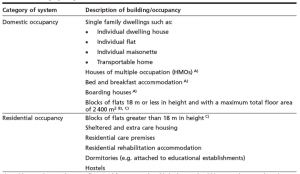
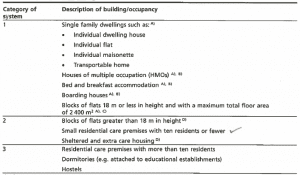
Another difference between water mist systems and fire sprinklers is the category each standard defines itself under.
See below an example of the British Standard that states when Automatic Water Fire Suppression Systems (AWFSS) must be installed.
Water mist fire suppression systems – BS 8458:2015
Fire sprinkler systems – BS 9251:2021
H2: Get expert advice for your project
Every property is different, so the best way to find the right system is to speak to our specialist team. Get in touch today, or get a quick estimate using our online estimate tool.
Frequently asked questions
Is water mist as effective as a sprinkler system?
Yes, water mist systems tested to the residential fire tests in BS EN 14972-17 are tested to control the same standard fires. Our analysis of 2024/25 government data found water mist systems controlled 95.3% of fires where they activated, compared with 90.7% for sprinklers.
Do sprinklers cause more water damage than water mist?
Generally, traditional sprinklers can cause more damage after being triggered due to them discharging more water than water mist systems, which use up to 80% less. This means more clean-up and a greater risk of damage to ceilings and rooms below.
Do both systems need servicing?
No matter which fire suppression system you have in place, both should be serviced frequently in line with the manufacturer’s guidance or maintenance programme to make sure they will work effectively when needed. iMist offers integrated in-house solutions for annual servicing, with up to a 10-year pump warranty.